Physical Address
304 North Cardinal St.
Dorchester Center, MA 02124
Physical Address
304 North Cardinal St.
Dorchester Center, MA 02124
Last Updated: April 2026
Bloom Skin vs Glass Skin: Top 3 Korean Routine Upgrades for 2026 —
Is glass skin already over? Not exactly — but Korean beauty has moved on, and the new goal is bloom skin: complexions that look hydrated, even-toned, and naturally luminous rather than mirror-polished and glossy. If you have been chasing glass skin with little success, this guide explains exactly what changed, why bloom skin works better for most people, and the 3 routine upgrades that make the difference in 2026.
Glass skin, the ultra-reflective, pore-blurring K-beauty ideal that dominated the last several years, is built on surface perfection. The result is stunning in photos, but achieving it requires a lot of layering, precise product selection, and — for many skin types — it simply does not hold up through a full day.
Bloom skin takes a different approach. The aesthetic is softer: skin that looks well-rested, evenly toned, and genuinely healthy rather than polished to a high shine. Integrated facialist April Brodie describes it as “hydrated, strengthened, even-toned skin that looks naturally luminous rather than glossy.” The key shift is philosophical — bloom skin is built on barrier health, consistency, and discipline, not product layering tricks.
This matters because the entire direction of Korean skincare in 2026 is moving toward barrier-first, regenerative formulas. Ingredients like PDRN, next-generation ceramides, and fermented actives are replacing heavy essence stacking as the foundation of a modern K-beauty routine. The result looks less artificial and lasts significantly longer through the day.
Glass Skin vs Bloom Skin — At a Glance
Glass Skin: Ultra-reflective, translucent finish. Built on heavy hydration layering. Best captured in photos. Can look greasy by midday on oily skin types.
Bloom Skin: Soft, naturally luminous finish. Built on barrier repair and regenerative ingredients. Works across all skin types. Holds up throughout the day without touch-ups.
Glass skin achieves its shine primarily at the surface level — through toner layering, essence application, and finishing products that maximize light reflection. Bloom skin generates radiance from within by repairing the skin barrier so that light scatters evenly rather than reflecting in concentrated patches. The practical difference: bloom skin looks the same at 8 PM as it did at 8 AM. Glass skin rarely does.
The classic glass skin method layers multiple hydrating products — toner, essence, ampoule, serum — one on top of the other. This works, but it addresses hydration as a quantity problem. Bloom skin treats it as a retention problem. If your barrier is compromised, no amount of layering will keep moisture in your skin for long. The 2026 K-beauty approach focuses first on repairing the lipid barrier with ceramides, fatty acids, and PDRN so that hydration actually stays where you put it.
Hyaluronic acid remains excellent, but it is a humectant — it draws moisture to the surface of the skin, which can actually cause dehydration in low-humidity environments. The bloom skin routine prioritizes PDRN (polydeoxyribonucleotide, commonly derived from salmon DNA) and next-generation ceramide complexes. PDRN supports cellular repair and collagen stimulation. Ceramides fill the structural gaps in the skin barrier. Together they create the kind of deep, lasting hydration that reads as natural radiance.
You do not need to overhaul your entire routine. These three targeted upgrades are what Korean skincare experts and dermatologists are recommending right now to shift from glass skin results to bloom skin results.
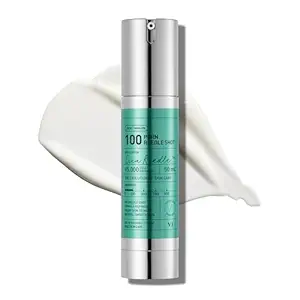
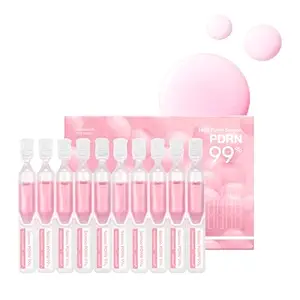
If your current routine includes two or three hydrating toners layered back to back, consolidate and swap one of them for a PDRN serum or toning treatment. PDRN works differently from a standard hydrating toner — instead of depositing moisture on the skin’s surface, it communicates with skin cells to support natural repair processes and boost collagen production. The result accumulates over time: skin becomes progressively more resilient, more even in texture, and more capable of maintaining its own radiance without heavy product support.
The key is consistency over intensity. One PDRN step used daily will outperform a weekly PDRN treatment surrounded by daily hydration layering.
If you want to understand the broader K-beauty philosophy behind this kind of gradual, prevention-first approach, our guide to the Korean glass hair routine explains it well — the scalp-first, repair-before-shine thinking maps directly onto what bloom skin does for your face.
The final step in most Western moisturizing routines is chosen for texture preference — lightweight for summer, rich for winter. In the bloom skin approach, the moisturizer is chosen specifically for its ceramide profile. Next-generation ceramide complexes in 2026 Korean formulas are designed as biomimetic emulsions that mirror the skin’s actual lipid structure, allowing them to integrate with the barrier rather than simply sitting on top of it.
Practically: look for a moisturizer that lists ceramides alongside cholesterol and fatty acids. This combination is what skin researchers refer to as the “golden ratio” for barrier restoration. It is the same logic behind why Korean skincare has always outperformed single-ingredient Western alternatives — it works with the skin’s chemistry rather than adding to it from the outside.
Sunscreen is the non-negotiable step in every effective Korean skincare routine, but the type matters significantly for bloom skin results. Matte sunscreens flatten the skin’s natural light response, which works against the soft luminosity bloom skin aims for. Korean sunscreen formulas in 2026 increasingly combine high SPF with tinted hydration and skin-tone adaptation technology — protecting the skin while adding a naturally even, slightly dewy finish that replaces foundation for many people entirely.
The category is called “skincaring sunscreen” in Korean beauty circles, and search interest has grown substantially through early 2026. It is the simplest single-product swap that immediately shifts how your skin reads in natural light.
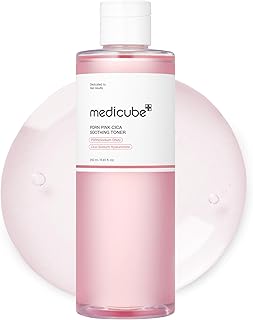
Why we recommend it: Medicube’s PDRN Pink Cica Toner combines salmon PDRN with centella asiatica (cica) — two of the most well-documented barrier-repair ingredients in Korean dermatology. The PDRN supports cellular renewal from the first application, while cica calms any existing inflammation or sensitivity. It replaces two steps (a repair serum and a soothing toner) with one, which fits the simplified bloom skin philosophy perfectly.
How to use: Apply after cleansing to slightly damp skin. Press gently into the face rather than swiping — this supports better absorption and reduces friction on a compromised barrier. Use morning and evening for best results.
Who it is for: All skin types, particularly those experiencing sensitivity, redness, or uneven texture from over-exfoliation or environmental stress.
Why we recommend it: This is the skincaring sunscreen upgrade in a single product. It combines SPF 50+ protection with centella asiatica and hyaluronic acid in a serum-weight texture that sits seamlessly under makeup or alone. The finish is softly dewy without being oily — exactly the visual quality that defines bloom skin. It is one of the most referenced Korean sunscreens in international beauty press right now for good reason.
How to use: Apply as the final step of your morning routine. For bloom skin results, apply generously and allow 60 seconds to set before any makeup application. Reapply midday if you are spending time outdoors.
Who it is for: Oily, combination, and normal skin types. Works particularly well in humid climates including Seoul in spring and summer.
Why we recommend it: Aestura’s Atobarrier 365 has become one of the most recommended ceramide moisturizers among Korean dermatologists for its lipid-mimicking formula. It contains ceramides, cholesterol, and fatty acids in proportions designed to mirror the skin’s natural barrier composition. The texture is rich enough to create a genuine seal over active ingredients but light enough to avoid the heavy or occlusive feeling that deters consistent use. It is the ideal “barrier lock” step for the bloom skin routine.
How to use: Apply as the last skincare step before sunscreen in the morning, and as the final step of your evening routine. A small amount goes further than expected — warm between fingers before pressing into skin.
Who it is for: Dry, sensitive, and combination skin. Also highly effective for anyone recovering from retinol use, recent chemical peels, or prolonged mask-wearing irritation.
This routine is recommended for you if:
– Your glass skin routine works in the morning but does not hold up past noon
– You have tried multiple hydrating toners without seeing lasting improvement in skin texture
– Your skin feels tight or reactive despite heavy hydration
– You are in your late 20s or older and want results that build over time rather than one-day glow
– You live in a climate with variable humidity (including Seoul, where spring air quality and humidity fluctuate significantly)
– You want a simpler routine with fewer products that still delivers visible results
| Ingredient | What It Does | Where It Fits |
|---|---|---|
| PDRN (Salmon DNA) | Cellular repair, collagen stimulation, deep hydration binding | Toner or serum step |
| Ceramides | Fill structural gaps in skin barrier, lock in moisture | Moisturizer step |
| Centella Asiatica (Cica) | Calms inflammation, accelerates barrier recovery | Toner or essence step |
| Fermented Actives | Microbiome support, gentle brightening, enhanced absorption | Essence or serum step |
| Skincaring SPF | UV protection, hydration maintenance, natural finish | Final AM step |
Glass skin is not wrong — it is simply one version of what healthy skin can look like. Bloom skin is the same destination reached by a more sustainable route. Instead of stacking products to create the appearance of radiance, you build the conditions for radiance to happen naturally. The barrier gets stronger, cellular repair improves, and your skin starts doing more of the work on its own.
The three upgrades — a PDRN repair step, a ceramide barrier moisturizer, and a skincaring sunscreen — are not dramatic overhauls. They are precise substitutions that redirect your existing routine toward results that last. Four weeks of consistent use is the standard benchmark cited by Korean skincare specialists, and it holds true: the improvement is gradual and then suddenly quite visible.
Spring 2026 is an ideal time to start. Your skin is recovering from winter barrier damage, humidity is returning to supportive levels, and the Korean beauty market has never had more well-formulated, accessible options in this category. For a deeper look at how hanbang ingredients like ginseng and mugwort are being integrated into bloom skin formulas this year, our upcoming guide to K-beauty ingredient trends for 2026 covers exactly that.
This post contains affiliate links. We may earn a commission at no extra cost to you.
#bloomskin, #kbeauty2026, #koreanroutine, #PDRNskincare, #barrierrepair