Physical Address
304 North Cardinal St.
Dorchester Center, MA 02124
Physical Address
304 North Cardinal St.
Dorchester Center, MA 02124
Last Updated: April 2026
Western beauty is just catching on to what Korean women have known for centuries.
2026 is seeing a major surge in modernised hanbang (traditional Korean herbal medicine) formulas.
After years of chasing trends like glass skin and the 10-step routine, the beauty world is finally embracing the wisdom of Korean herbal heritage—with a high-tech twist.
Ginseng, mugwort, and bamboo sap are rising in popularity, paired with peptides and encapsulation technologies.
This is more than nostalgia; it’s a paradigm shift in how we think about skincare. Instead of aggressive actives, consumers are turning toward ingredients that have been trusted for thousands of years, now backed by cutting-edge science. In this guide, we’ll break down what hanbang actually is, explore the three powerhouse ingredients dominating 2026, and show you how to add them to your routine.
Hanbang skincare involves the use of herbal prescriptions and formulation techniques based on the principles of Traditional Korean Medicine, with modern science. The philosophy sees the skin not as a surface to treat, but as a reflection of what’s happening inside the body.
Beauty treatments for queens and noblewomen relied on ingredients like ginseng, licorice root, angelica, and peony root—many of which you’ll still find in K-beauty formulations today.
The difference between hanbang and conventional skincare? It’s holistic. Rather than isolating one problem and attacking it with the strongest ingredient available, hanbang seeks to restore balance, strengthen the skin barrier, and support overall skin health from within.
Traditional Korean hanbang skincare is being reinvented with peptide technology, encapsulation delivery systems, and modern formulation science.
Ginseng is the cornerstone of hanbang skincare. It has been an important part of Korean tradition for thousands of years and is used in various forms in both medicine and cosmetics. It’s prized for its anti-aging properties, ability to boost circulation, and support collagen synthesis.
Red ginseng in particular is considered one of the most potent forms.
In 2026 formulations, ginseng is being paired with advanced delivery systems to maximize its bioavailability.
Fermented ginseng extract combined with snail mucin creates a dual-action anti-aging and hydrating serum.
The result? Faster-acting, more visible results—without irritation.
Best for: Fine lines, loss of firmness, dull complexion, and anyone over 25 looking for preventative anti-aging.
Product Spotlight:
Sulwhasoo Concentrated Ginseng Renewing Cream is the gold standard—what your grandmother’s ginseng jar wishes it could have been.
Mugwort—known as “ssuk” in Korean—is the unsung hero of hanbang skincare. Traditionally used in Korean bathhouses where bundles of dried mugwort are added to steam rooms, it has powerful anti-inflammatory and antimicrobial properties.
The key compounds are chamazulene and bisabolol, which calm irritation and reduce redness.
What makes mugwort special in 2026?
The ingredient is getting upgraded. Brands like Roundlab and Abib are pairing mugwort extract with peptides—short chains of amino acids that signal skin cells to produce more collagen and elastin.
This means you get immediate soothing plus long-term skin repair in one product.
Best for: Sensitive skin, redness, active acne, post-procedure recovery, and anyone dealing with inflammation or irritation.
Product Spotlight:
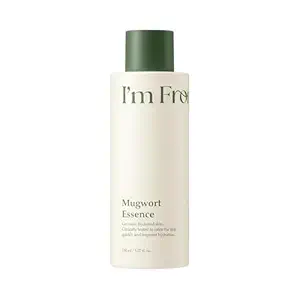
I’M FROM Mugwort Essence remains the classic starter product.
For the upgraded experience, the Roundlab Mugwort Calming Peptide Ampoule offers the best combination of traditional calming benefits and modern peptide science.
Bamboo sap is trending hard in K-beauty right now, and with good reason. Collected from bamboo stems during their growth season, the sap contains a rich concentration of amino acids, minerals, and polysaccharides that hydrate and soothe skin.
It has been used in Korean folk medicine for skin ailments for centuries, but modern cosmetic chemistry has found ways to stabilize and concentrate it far beyond what traditional application methods could achieve.
Unlike heavy oils, bamboo sap provides a lightweight, bouncy hydration that works beautifully in warm climates and for oily-combination skin types.
Formulations contain high percentages of bamboo sap concentrate and are designed with lightweight gel textures that absorb almost instantly.
Best for: Dehydrated skin, those seeking lightweight hydration, oily-to-combination skin, warm weather routines, and anyone who wants plump, glowing skin without heaviness.
Product Spotlight:
The IUNIK Bamboo Sap Hydrating Gel Cream is hard to beat at its price point.
For a more treatment-oriented option, the Isntree Green Tea Fresh Emulsion combines bamboo sap with green tea catechins for antioxidant protection.
The beauty of hanbang ingredients is that they play well with others. They’re gentle enough to layer, effective enough to stand alone, and potent enough to support barrier health. Here’s how to integrate them:
The single biggest technological advancement driving Hanbang 2.0 is encapsulation—the process of wrapping active ingredients in microscopic protective shells (usually lipid-based) that control where and how the ingredient is released in the skin. Without encapsulation, many hanbang ingredients degrade quickly when exposed to air, light, or the acidic pH of skin.
This technology means 2026 hanbang products are more stable, more effective, and deliver visible results faster than their predecessors. You’re not just getting grandmother’s remedy—you’re getting grandmother’s remedy with a PhD in biotech.
| Ingredient | Best Product | Best For |
|---|---|---|
| Ginseng | Sulwhasoo Concentrated Ginseng Renewing Cream | Anti-aging, firming, luxury experience |
| Mugwort | Roundlab Mugwort Calming Peptide Ampoule | Sensitive skin, inflammation, modern peptide tech |
| Bamboo Sap | IUNIK Bamboo Sap Hydrating Gel Cream | Lightweight hydration, warm weather, budget-friendly |
If you’ve been following K-beauty trends, you’ve likely heard about bloom skin—the natural, radiant, lit-from-within glow that’s replacing glass skin.
One of the most exciting developments in 2026 K-beauty is the renaissance of hanbang—traditional Korean herbal medicine—paired with modern biotechnology.
This connection is no accident.
Instead of throwing powerful actives at the skin, consumers are prioritizing protecting and repairing the skin’s moisture barrier. A compromised barrier leads to sensitivity, redness, and dullness. A healthy barrier means your skin can maintain hydration on its own, which is exactly the internal glow that bloom skin is after.
Hanbang ingredients are the backbone of this shift because they’re inherently gentle, naturally powerful, and philosophically aligned with barrier health. To dive deeper into the bloom skin aesthetic and how to build a routine around it, check out our complete bloom skin guide here.
The short answer? Everyone. But especially:
2026 marks a turning point in global skincare. Western beauty is finally catching up to what Korean women have known for centuries: that the most effective skincare is rooted in tradition, informed by science, and focused on overall skin health rather than isolated problems. Hanbang isn’t a trend—it’s a return to wisdom, accelerated by modern technology.
Whether you choose a ginseng serum, a mugwort essence, or a bamboo sap cream, you’re choosing ingredients with thousands of years of proven efficacy and formulations backed by the latest biotech innovations. That’s the promise of hanbang in 2026.
Pro tip: Once you’ve established your hanbang routine and nailed barrier health, don’t forget sun protection. Our guide to the best Korean sunscreens will help you complete the glow-from-within aesthetic.
This post contains affiliate links. We may earn a commission at no extra cost to you.
#HanbangSkincare #KBeauty2026 #GinsengSkinccare #MugwortEssence #BloomSkin